
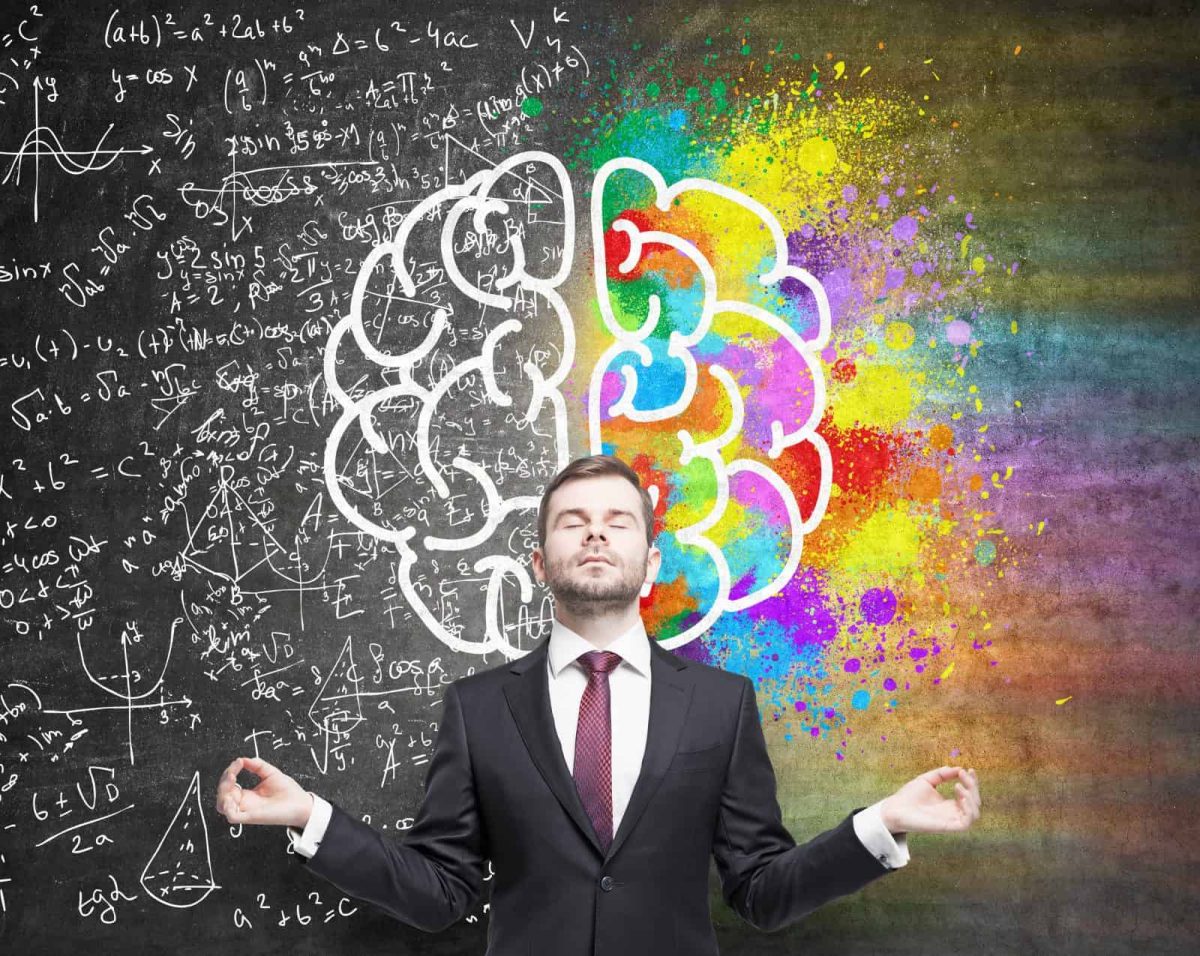
Emotional Intelligence
The primary goal of this course is to equip participants with the skills necessary to enhance their Emotional Intelligence (EI).
- Duration
- 3 days
- Timing
- Morning or evening
- Format
- 5 modules · Classroom
- Language
- English / Arabic
Course overview
The primary goal of this course is to equip participants with the skills necessary to enhance their Emotional Intelligence (EI). Through interactive sessions, attendees will delve into the significance of EI and its constructive influence on both professional and social aspects, intending to enhance the quality of their relationships in both work and personal life. Additionally, participants will gain insights into applying EI skills within the framework of the Mayer, Salovey, Caruso Emotional Intelligence Test (MSCEIT) model, facilitating the creation of a Personal Development Plan (PDP) aimed at advancing proficiency in all essential EI competencies.
Training methodology
This course utilizes psychometrics to assist participants in recognizing their emotional intelligence capabilities. Additionally, the program incorporates interactive exercises and activities, enabling participants to formulate strategies that contribute to the enhancement of their emotional intelligence competencies
Course objectives
By the end of the course, participants will be able to:
- Explore the influence of emotions on human behavior
- Apply the six principles of emotional intelligence to strengthen interpersonal relationships,
- Interpret EI scores for enhanced interaction,
- Analyze EI strengths and weaknesses using the MSCEIT model,
- Create a Personal Development Plan (PDP) for advancing emotional intelligence
- Utilize EI skills to optimize personal influence in both professional and social contexts.
Target competencies
- Emotional self assessment
- Managing emotions
- Emotional expression
- Emotional understanding
- Relationship building
- Tact, transparency and emotional control
- Impact, influence and resilience
Course outline
- Rule of reason or rule of emotion
- Principle one: Emotions are data
- Principle two: Emotions should not be ignored
- Principle three: Emotions should not be hidden
- Principle four: Decisions and emotions
- Principle five: Emotions follow logical patterns
- Principle six: Emotional universals and specifics
- Exploration through case studies and practical applications.
- Comprehensive exploration of the ability model and its implications throughout the full cycle
- Introduction to the Mayer Salovey Caruso Emotional Intelligence Test (MSCEIT)
- Components of the ability model:
- Perceiving emotions
- Using emotions
- Understanding emotions
- Managing emotions
- Guidance on determining your EI score
- Insight into understanding and interpreting your EI score results
- Providing constructive feedback based on EI score results
- Analysis of the implications of EI results at both professional and personal levels
- Practical tips and recommendations for further development.
- Discerning Emotions in Others: Reading People
- Exploring the Significance of the Mood Meter in Understanding Emotional Intelligence (EI)
- Plutchik's Emotional Wheel
- Engaging Emotions: Getting in the Mood
- Anticipating Emotional Trends: Understanding Emotions
- Applying Emotions Effectively: Doing It with Feeling
- Assessing Emotional Skills
- Accurate People Reading: Enhancing Your Skill in Identifying Emotions
- Cultivating the Right Mood: Improving Your Use of Emotions
- Mastery of Emotional Storytelling
- Precise Prediction of Emotional Trends: Enhancing Your Understanding of Emotions
- Strategic Emotional Management: Improving Your Ability to Navigate Emotions Effectively
- Workplace Anger Management
- Life Skills for Anger Management
- Self-Management: Applying Your Emotional Intelligence Skills
- Interpersonal Management: Applying Emotional Intelligence Skills in Collaborative Settings
- Engaging in Emotional Role Play
- Cultivating the Emotionally Intelligent Individual
- Navigating Emotional Blueprints in Interactions
- Developing the Emotionally Intelligent Individual through Emotional Blueprints
- Illustrative Real-Life Examples and Case Studies
Who should attend
Managers, business professionals, and individuals who are committed to acquiring and refining their emotional intelligence skills with the goal of improving and effectively managing their relationships both in the workplace and in personal life
2026 & 2027 schedule and fees
New groups start every month at our Abu Dhabi centre. Pick the timing that suits you and an advisor will confirm the next start date and fee.
- Monday to Friday · Daytime classes
- 3 days
- English / Arabic
- CompuBase Training Center, Abu Dhabi
- Monday to Friday · After-work classes
- 3 days
- English / Arabic
- CompuBase Training Center, Abu Dhabi
We run this course at your offices anywhere in the UAE, on dates that fit your operations.
Group and corporate rates are available. Terms and refunds
Morning and evening classes are available. CompuBase Training Center, Abu Dhabi.

